


Essential Tips for Safe Camping: Stay Prepared and Secure in Nature

🏕️ Introduction: Why Camping Safety is Crucial
Camping is a wonderful way to reconnect with nature, escape the hustle and bustle of daily life, and enjoy peaceful, scenic surroundings. However, it’s essential to prioritize safety to ensure your adventure is both enjoyable and secure. In this blog, we’ll explore the most effective tips and strategies for camping safely, helping you to avoid common hazards while embracing the great outdoors.
🔥 1. Fire Safety: Be Mindful of Open Flames
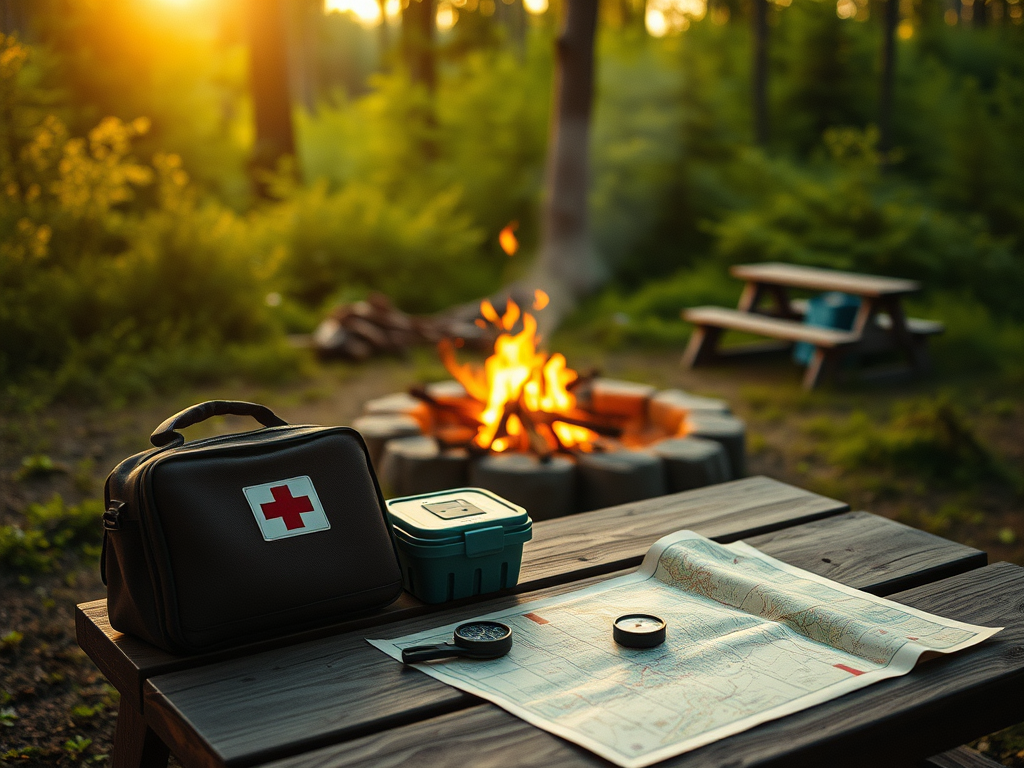
Campfires are a classic part of camping, providing warmth, cooking opportunities, and a comforting atmosphere. However, they can also pose a significant risk if not properly managed.
- Always set up your fire in a designated fire pit, away from dry brush and flammable materials.
- Keep a bucket of water and a shovel nearby to extinguish the fire completely before leaving or going to sleep.
- Never leave a campfire unattended, and ensure it’s fully out before calling it a night.
🧭 2. Plan Ahead: Know Your Location and Conditions
Preparation is the key to a safe camping trip. Research the campsite you’re visiting, including the terrain, weather conditions, and any wildlife you may encounter. Here are some important steps to take:
- Check weather forecasts and prepare for sudden changes.
- Familiarize yourself with local wildlife and learn how to store food securely.
- Always carry a map, compass, or GPS to avoid getting lost.
🏞️ 3. Wildlife Safety: Respect Nature and Stay Alert
Wild animals are a beautiful part of the natural environment, but they can also be dangerous if provoked. Knowing how to interact safely with wildlife is crucial.
- Store food and trash securely in bear-proof containers.
- Keep a safe distance from wild animals—never feed or approach them.
- Learn how to handle wildlife encounters, such as what to do if you meet a bear or snake.
🩺 4. First Aid: Be Prepared for Emergencies
Accidents can happen anywhere, and the wilderness is no exception. Having a well-stocked first aid kit can make a big difference in how you handle an emergency.
- Include essential items like bandages, antiseptics, tweezers, and pain relief medication.
- Take a basic first aid course so you know how to handle common injuries.
- Know the location of the nearest medical facility or ranger station.
🚨 5. Hydration and Food Safety: Eat and Drink Responsibly
Dehydration and foodborne illness are common issues when camping, but both are easily preventable with proper care.
- Bring more water than you think you’ll need, and use filtration systems if gathering water from natural sources.
- Keep perishable food in a cooler with plenty of ice, and cook food thoroughly to avoid contamination.
- Dispose of food scraps and packaging properly to avoid attracting wildlife.
🏕️ Conclusion: Prioritize Safety for a Memorable Camping Trip
Camping safely allows you to enjoy the natural world without unnecessary risks. By planning ahead, respecting wildlife, and taking necessary precautions, you can ensure your camping experience is both fun and secure.


 Clothes
 Tote Bag
 Canvas & Poster
 Drinkware
 Ceramic Ornaments
 Anime Style
 Mother’s Day
 Father’s Day
 Halloween
 Christmas


