


🏙️ Unveiling Saigon: The Local Way to Travel Vietnam’s Most Electric City

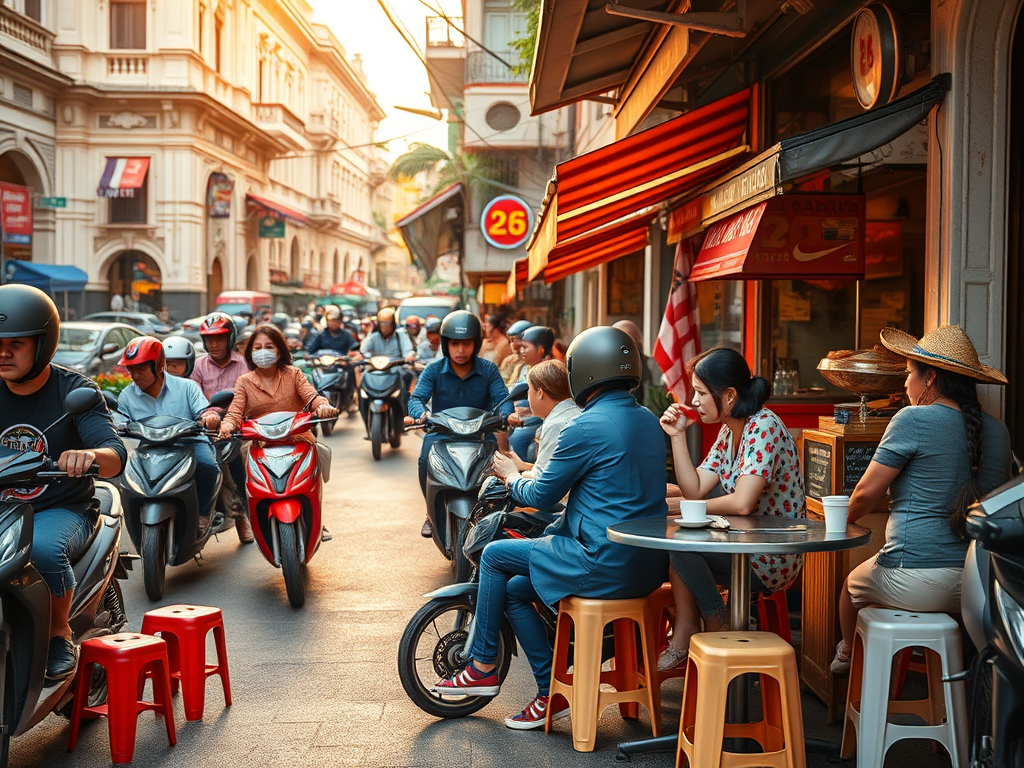
Welcome to Saigon officially known as Ho Chi Minh City but still affectionately called by its old name by locals. This city is not just a destination. It’s a feeling, an emotion wrapped in the buzz of motorbikes, the aroma of street food, and the stories whispered by French-colonial architecture. Local travel here isn’t just about checking off tourist attractions; it’s about diving deep into the culture, the people, and the everyday moments that give this vibrant city its soul.
Unlike a typical travel blog, we’re not going to suggest the mainstream. We’re going to wander into the heart of alleys (called hẻm), sip coffee the Saigonese way, and explore districts that most guidebooks only briefly mention. So lace up your walking shoes or better yet, grab a rented motorbike and get ready for an adventure that blends discovery with authenticity.
☕ Morning Vibes: Saigon’s Coffee Culture and Sidewalk Scenes
Saigon wakes up early, often before sunrise. The scent of Vietnamese coffee starts drifting out of open storefronts and sidewalk cafés as the city’s heartbeat kicks in. If you want to experience the real vibe of Saigon, don’t head straight for the flashy rooftop cafés. Instead, join the locals at a tiny, plastic-stool café tucked away in District 3 or a tree-lined avenue in District 1.
There’s something magical about Cà Phê Sữa Đá a sweetened iced coffee served with condensed milk. Locals nurse it slowly, often for hours, while chatting, people-watching, or simply enjoying the breeze. The coffee ritual is sacred in Saigon. It’s not just about caffeine it’s about connecting with time and place.
And then, of course, there’s the food. From the early hours of the morning, bánh mì carts begin to appear. Crusty French bread loaded with savory meats, crunchy pickles, herbs, and sauces it’s a meal, not just a snack. Try pairing one with your morning coffee, and you’ll understand why locals swear by this combo to start their day.
The sidewalk café culture teaches a traveler something deeper: slow down. Watch the scooters rush by, let the tropical sun warm your skin, and take in the organized chaos that defines the local rhythm.
🚦 Getting Around Saigon Like a Local: Embrace the Chaos
At first glance, Saigon’s streets look like pure madness. Motorbikes flow like rivers with no clear rules. But there is a rhythm. Understanding it is the first step to feeling at home. Most locals don’t rely on big taxis or buses. They hop on their bikes, use apps like GrabBike, or walk through narrow backstreets to avoid the rush.
If you’re visiting for more than a couple of days, consider renting a motorbike. It’s the quickest way to move between districts and access spots that buses and taxis can’t reach. Alternatively, for a safer (and possibly more thrilling) experience, book a local motorbike tour. These guides know their way through the real Saigon the temples hidden behind markets, the secret cafés, and the neighborhoods where daily life unfolds untouched by tourism.
Crossing the street here is an art form. Don’t wait for traffic to stop it won’t. Instead, walk slowly and confidently. Like water, the motorbikes will flow around you. It’s terrifying at first, but oddly poetic once you get used to it.
🍜 Tasting Saigon: From Street Food to Hidden Eateries
Food in Saigon is not just sustenance it’s a way of life. The city is an open-air restaurant, and every sidewalk offers a new surprise. From the sizzle of a wok at a quán ăn (local eatery) to the savory steam rising from a bowl of Phở, every dish tells a story of heritage and flavor.
For an authentic experience, don’t eat where the signs are in English. Follow the locals. If the stools are small and the menu is scribbled on the wall in chalk, you’re in the right place. Districts 4 and 10 are goldmines for foodies willing to venture outside the tourist belt.
Try a steaming bowl of Hủ Tiếu in a bustling alley or sample Bánh Xèo (savory Vietnamese pancakes) in a backyard-style eatery. Dessert lovers shouldn’t miss out on Chè, a sweet and colorful layered treat served in glass cups.
The variety is endless, but what unites Saigon’s food scene is its freshness. Ingredients are bought daily from wet markets, and recipes have been perfected over generations. Sharing a meal here means sharing a piece of someone’s home and heart.
🎨 Culture Beyond Museums: Where Art Lives on the Streets
Saigon’s soul isn’t confined to glass-fronted galleries or large museums though those certainly exist and are worth a visit. Instead, culture lives in alley murals, indie bookstores, music cafes, and weekend pop-up flea markets that dot the city like hidden gems.
Wander into District 3, and you’ll find quaint villas-turned-art-spaces. Places like Salon Saigon bring contemporary Vietnamese art to life in intimate settings. Meanwhile, tucked-away spots like Manzi or The Factory in District 2 invite young artists to showcase daring and thought-provoking works.
You might stumble upon a sidewalk acoustic session, with locals crooning timeless love ballads under the neon glow of streetlights. Or, if you’re lucky, catch a traditional performance at the Saigon Opera House a beautiful French colonial building that feels frozen in time.
The city breathes creativity. Even the walls whisper stories, from propaganda posters of the past to graffiti of the present. In Saigon, art doesn’t ask for your attention it simply exists, and waits for you to find it.
🏛️ French-Colonial Echoes and Historical Treasures
Beyond the modern skyline and buzzing motorbikes, Saigon holds layers of history in its architecture. The red bricks of Notre-Dame Cathedral, the intricate ironwork of Saigon Central Post Office, and the grand columns of the old City Hall all bear witness to its colonial past.
But to really explore Saigon’s historical side, you need to wander. Walk the streets of District 1 and District 5 with your head turned up. Colonial villas hide in plain sight, some repurposed as government buildings, others transformed into boutique hotels or embassies.
Then head to Cholon Saigon’s Chinatown. Here, the scent of incense drifts from temples like Thiên Hậu, built in the 18th century by Cantonese immigrants. The atmosphere here is rich, quiet, and deeply spiritual.
Saigon’s history is complex marked by wars, independence, and transformation. Visiting places like the War Remnants Museum or the Reunification Palace can be emotionally intense, but they provide important context to the city’s spirit of resilience and reinvention.
🌆 Saigon by Night: Lights, Markets, and Rooftop Views
As the sun dips below the horizon, Saigon transforms. The energy doesn’t fade it intensifies. Night markets like Ben Thanh or Binh Tay become social hubs where bargaining is an art form. Here, you’ll find everything from dragonfruit to handmade souvenirs, from fake designer bags to delicious snacks sizzling on open grills.
Head to Nguyen Hue Walking Street if you want to join the buzz. This wide pedestrian avenue becomes a social stage where young Saigonese dance, skate, and selfie their way through the night.
But if you crave something quieter, take the elevator up to one of Saigon’s many rooftop bars. From places like Chill Skybar or the rooftop at Caravelle Hotel, the city stretches out like a sea of neon and chrome. It’s here, cocktail in hand, that you can reflect on a day well spent exploring the city’s hidden nooks.
🎁 Saigon’s Soul: What You Take with You
Local travel is more than just sightseeing. It’s about connection. And Saigon, with all its contrasts, welcomes you like an old friend warm, loud, unpredictable, and utterly unforgettable. You leave not just with photos, but with moments.
The old man who insisted you try his homemade fish sauce. The café owner who brewed the best cup of coffee you’ve ever had. The child who giggled at your attempt to speak Vietnamese. These are the souvenirs you don’t pack in your luggage, but in your heart.
So when your journey ends and you board that plane home, know this: Saigon never really lets you go. It lingers. In your memories. In your taste buds. In the smell of motorbike exhaust mixed with street food smoke. And that’s the beauty of local travel. It changes you, one alley at a time.


 Clothes
 Tote Bag
 Canvas & Poster
 Drinkware
 Ceramic Ornaments
 Anime Style
 Mother’s Day
 Father’s Day
 Halloween
 Christmas


