


Farm Life & Country Living: A Simple Guide to a Happier Rural Life

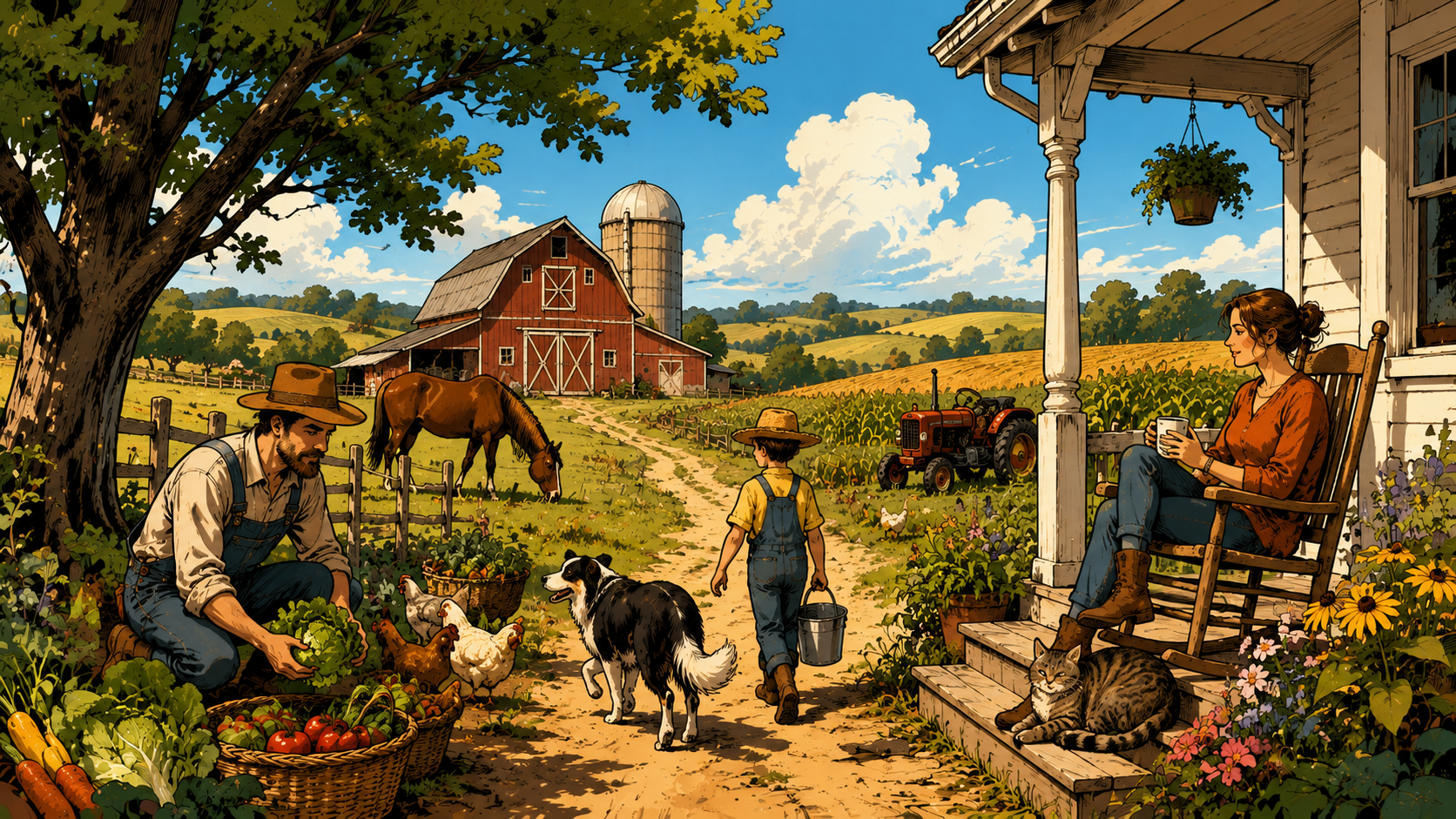
There is something wonderfully comforting about farm life and country living. The quiet mornings, open fields, fresh air, growing gardens, and slower rhythm can create a lifestyle that feels deeply connected to nature. While modern life often moves at an exhausting pace, rural living offers a chance to step back, appreciate simple pleasures, and rediscover the satisfaction of doing things with your own hands.
Farm life is not simply about living on a piece of land. It is about developing a closer relationship with the seasons, food, animals, family, and community. Whether someone owns a working farm, lives in a small country home, or simply dreams about a quieter lifestyle, many of the principles of rural living can be enjoyed almost anywhere.
Country living can also encourage practical skills and greater self-reliance. Planting vegetables, caring for fruit trees, preserving food, raising animals, repairing useful items, and spending more time outdoors can all become meaningful parts of everyday life. 🌱
Most importantly, farm life is about finding value in ordinary moments. A sunrise over a field, vegetables picked for dinner, eggs collected in the morning, or an evening spent watching the sunset can bring a kind of happiness that money cannot easily purchase.
🌅 The Beauty of Everyday Farm Life
One of the greatest attractions of farm life is its connection to everyday nature. Instead of constantly moving between buildings, roads, screens, and crowded spaces, rural living creates more opportunities to notice what is happening outside. The changing seasons become part of the daily experience, and even familiar surroundings can look different throughout the year.
A country morning can begin with sunlight spreading across a field, birds singing near the house, and the sound of animals becoming active. Rather than immediately rushing into a busy schedule, there may be simple chores waiting outside. Feeding chickens, watering plants, checking a vegetable garden, or walking around the property can provide a gentle beginning to the day. 🐓
The work itself can become part of the enjoyment. Gardening, for example, teaches patience because plants cannot be rushed. Seeds need suitable soil, water, sunlight, and time. Watching a tiny seed eventually become something that can be harvested creates a rewarding connection between effort and result.
Farm life also changes the way people experience food. A tomato picked from the garden, fresh herbs gathered before dinner, or fruit collected directly from a tree can feel completely different from purchasing the same ingredients at a store. The experience encourages people to understand where food comes from and appreciate the work behind every harvest.
There is also beauty in the slower rhythm of rural seasons. Spring can bring planting and new growth. Summer often means long days of gardening and outdoor work. Autumn brings harvesting and preparation, while winter provides an opportunity to rest, repair, plan, and prepare for the next growing season.
This seasonal rhythm can make time feel more meaningful. Instead of every month looking essentially the same, each period of the year has its own responsibilities, colors, foods, and traditions. 🌻
That connection with nature is one reason country living continues to appeal to people who want a calmer and more intentional lifestyle.
🌱 Growing Food and Building a More Self-Reliant Lifestyle
A major part of country living is learning how to produce more of what you need. You do not have to become completely self-sufficient to benefit from this idea. Even a small garden can introduce valuable skills and create a stronger connection with food.
Growing vegetables is often one of the easiest places to begin. Lettuce, tomatoes, herbs, beans, peppers, cucumbers, and other garden crops can provide fresh ingredients while teaching the fundamentals of planting and seasonal care. A larger garden can eventually supply a meaningful portion of a household’s produce.
The process also encourages thoughtful planning. Gardeners learn to consider sunlight, soil quality, water availability, planting schedules, pests, and harvest timing. These practical lessons can become surprisingly rewarding because every improvement produces visible results.
🌾 Country living can extend beyond gardening. Fruit trees, berry bushes, composting, food preservation, rainwater collection, and keeping small livestock can all become part of a broader self-reliant lifestyle, depending on available land, local regulations, resources, and experience.
Food preservation is especially valuable because a successful harvest can produce more food than a household can eat immediately. Canning, drying, freezing, fermenting, or storing suitable crops can help extend the usefulness of seasonal produce. The result is not merely practical; it can also create family traditions.
Self-reliance does not mean doing everything alone. In fact, rural communities have traditionally depended on cooperation. Neighbors may exchange produce, share equipment, provide advice, or help one another during particularly demanding periods. 🤝
That community aspect is important because sustainable country living is not only about individual independence. It is also about knowing how to contribute and when to ask for help.
For beginners, the best approach is usually to start small. A modest garden can teach more than an ambitious project that quickly becomes overwhelming. One successful crop, one useful preservation technique, or one new practical skill can become the foundation for something much larger.
Over time, these small achievements can create confidence. People begin to understand their land, their local climate, their resources, and their own abilities. That knowledge is one of the most valuable parts of a self-reliant rural lifestyle.
🐄 Family, Animals, and the Meaning of Country Living
Farm life can also create a special environment for family life. Rural living often provides more opportunities for children and adults to participate in practical activities together. Instead of entertainment always coming from screens or commercial spaces, families can find meaningful things to do around the home and land.
A child helping plant seeds, collecting vegetables, feeding chickens, or picking fruit can learn responsibility through direct experience. These activities can teach patience, cooperation, care, and respect for living things in ways that are difficult to reproduce through theory alone.
Animals can become another meaningful part of country living. Chickens, goats, sheep, cows, horses, or other livestock may require daily attention, depending on the type of farm. Caring for animals teaches consistency because their basic needs do not disappear simply because the weather is inconvenient or someone is tired.
Of course, responsible animal care requires preparation. Anyone considering livestock should understand the animal’s housing, nutrition, veterinary needs, fencing, space requirements, and local regulations before bringing animals home. Farm life can be beautiful, but it also involves genuine responsibilities. 🐐
The family benefits can nevertheless be significant. Shared chores can turn into shared memories. Harvesting vegetables together can become a seasonal tradition. Preparing homemade food can become an evening activity. Repairing something around the property can provide an opportunity for one generation to teach another.
Country living can also encourage people to appreciate useful work. In a world where many tasks happen invisibly through technology and services, farm work provides immediate feedback. A fence gets repaired, a garden gets planted, firewood gets prepared, or a meal gets made from ingredients that were grown nearby.
These experiences can strengthen a sense of accomplishment.
Perhaps most importantly, farm life can create space for family conversations. Sitting outside after the day’s work, watching the sky change colors, or sharing a meal made from a recent harvest provides opportunities to slow down and simply be together. ❤️
The goal is not to create a perfect rural lifestyle. Real farms have muddy boots, broken tools, unexpected weather, difficult chores, and occasional frustration. The beauty comes from accepting those realities while recognizing the deeper rewards that accompany them.
🌻 Creating a Peaceful and Sustainable Country Lifestyle
A peaceful country lifestyle does not happen automatically simply because someone moves outside a city. Creating that lifestyle requires intentional choices. A rural home can become just as stressful as an urban apartment if every moment is filled with work, screens, financial pressure, or unnecessary commitments.
The first step is to identify what makes country living meaningful. For some people, it may be growing food. For others, it could be raising animals, spending time outdoors, building a family tradition, or simply enjoying more quiet.
A sustainable approach also means respecting the land. Soil should be treated as a living resource rather than something that exists only to support immediate production. Composting organic material, protecting soil from erosion, planting appropriate vegetation, using water thoughtfully, and avoiding unnecessary waste can all contribute to healthier land over time.
🌿 Sustainability does not require perfection. Small improvements matter. A household might begin composting kitchen scraps, growing herbs, reducing food waste, planting native or well-adapted plants, or learning how to repair items instead of immediately replacing them.
Energy and water use can also become part of a thoughtful rural lifestyle. Efficient appliances, appropriate insulation, responsible irrigation, and careful water management may reduce waste while making a home more practical.
Another important element is creating spaces that encourage rest. A garden bench beneath a tree, a small porch, an outdoor dining area, or a quiet corner overlooking the fields can transform the property into a place for relaxation rather than constant work.
This balance is essential because country living should not become an endless list of chores.
A healthy rural lifestyle includes both productivity and rest. There should be time to plant and time to enjoy the garden. Time to care for animals and time to watch them. Time to harvest and time to cook. Time to work and time to sit quietly with a cup of coffee while the morning unfolds. ☕
That balance is perhaps the most beautiful lesson of country living: a meaningful life does not always require doing more. Sometimes it requires noticing more.
🏡 Why Farm Life and Country Living Remain So Appealing
Farm life and country living continue to attract people because they represent something many modern lifestyles struggle to provide: a stronger connection to the physical world.
Rural living can offer open space, fresh air, gardening, animals, seasonal food, practical work, family traditions, and a closer relationship with nature. It can encourage people to slow down and recognize the value of ordinary experiences.
However, the best version of country living is not about creating an unrealistic picture of rural perfection. It is about understanding both the rewards and responsibilities. Farms require work. Gardens fail sometimes. Animals need daily care. Weather can change plans. Equipment breaks. Harvests can be unpredictable.
Yet these challenges can make the successes more meaningful.
A basket of vegetables from a healthy garden represents months of patience. A repaired fence represents practical effort. A homemade meal represents planning and care. A healthy animal represents consistent responsibility. A family gathering around the dinner table represents something even more valuable: time spent together.
🌾 You also do not need hundreds of acres to experience the principles of farm life. A small property, backyard garden, community garden, balcony planting area, or even a few containers can provide an introduction to growing food and connecting with nature.
The important thing is to begin with what is realistic.
Choose one project. Learn from it. Pay attention to what works. Improve gradually. Over time, simple activities can become meaningful traditions and practical skills.
Ultimately, farm life and country living are less about escaping modern life and more about choosing what deserves your attention. They invite us to appreciate the soil beneath our feet, the food on our tables, the people around us, and the natural world beyond our doors.
There is a quiet kind of happiness in that.
It can be found in muddy hands after planting, the smell of freshly turned earth, vegetables gathered before dinner, animals waiting for their morning feed, and golden sunlight resting across a field at the end of the day.
That is the heart of country living: not a perfect life, but a more connected one. 🌅
#FarmLife #CountryLiving #RuralLifestyle #Homesteading #SustainableLiving


 Clothes
 Tote Bag
 Canvas & Poster
 Drinkware
 Ceramic Ornaments
 Anime Style
 Mother’s Day
 Father’s Day
 Halloween
 Christmas


